

Good cotton clothing starts with the material. The details decide how you wear it.
When choosing a tee, tank, or pair of shorts, look at the fiber content, the way the fabric is made, and the construction of the finished garment. Softness is part of the picture. So are fit, finishing, and care.
Start with the label
Read the full composition rather than stopping at the word “cotton.” A 100% cotton tee and a cotton-modal rib layer are different fabrics with different intentions. Choose the one that suits the shape and feel you want; a blend is not automatically a compromise.
Specific information is useful. Look for the composition, care instructions, garment measurements, and a clear description of the fabric. If a cotton variety or origin matters to you, check that the claim applies to the particular product you are considering.
“Cotton,” “organic cotton,” and “American-grown cotton” are not interchangeable descriptions. Likewise, a brand’s location does not establish where every fiber was grown or every product was made.
Look at the fabric in context
A substantial jersey gives a tee presence. A lighter slub fabric creates a more relaxed drape. Rib offers a different surface and silhouette again. These are design choices, so comparing everything against the same idea of “thick and smooth” can lead you away from the garment you actually want.
Inspect the surface in good light. Look for damage or unexpected inconsistencies, while allowing for intentional texture. The irregular appearance of slub cotton is part of its character. Light passing through a lightweight fabric is not, on its own, evidence of poor quality.
Handle the garment if you can. Notice whether it feels comfortable against your skin and whether the weight suits the season and the way you plan to wear it. Touch can help you choose a feel; it cannot verify the fiber composition or predict years of wear.
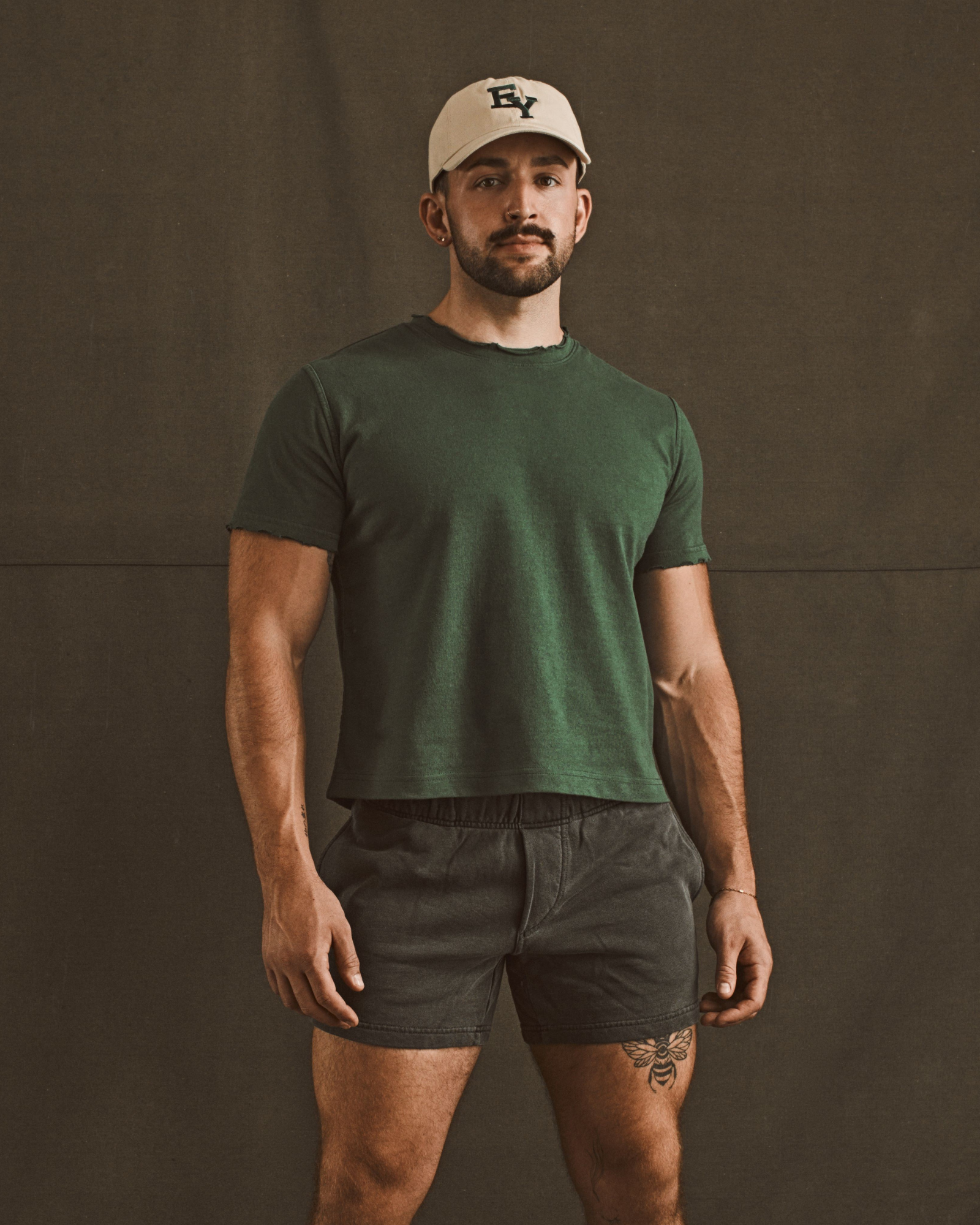
Check the construction and proportions
Turn the garment over and look inside. Check for open seams, skipped stitches, loose joins, and unexpected puckering. Inspect the neckline, armholes, waistband, and pocket openings as well as the main seams.
Consider the intended finish. A deliberate raw hem is different from a damaged seam. Exposed stitching can be part of the design. Product photographs and descriptions should help you understand which details are intentional.
Then try it on. Raise your arms, sit, and move as you normally would. Check the shoulder position, body length, and how the fabric falls. Good construction matters, but a piece also needs proportions you enjoy wearing.
For an online purchase, compare the size guide with a garment you already like. Look closely at front, back, and detail photographs. A familiar size letter is less useful than measurements and a clear understanding of the intended fit.
A practical buying checklist
Look at |
What to check |
|---|---|
Composition |
The complete fiber content for that specific item. |
Fabric |
Weight, texture, coverage, and drape suited to your use. |
Construction |
Secure seams and clearly intentional edge finishes. |
Fit |
Measurements, proportions, and comfortable movement. |
Care |
Instructions you can realistically follow. |
Ask about performance instead of guessing
Appearance alone cannot establish shrinkage, colorfastness, or resistance to pilling. Cotton Incorporated’s quality-testing guidance treats durability, construction, care, and appearance as areas to evaluate through appropriate tests.
If a brand makes a specific performance promise, look for the evidence behind it. Follow the care label, and ask the brand about washing or fit if the instructions are unclear. Avoid treating a home rub test, a premium-sounding label, or a heavier fabric as a guarantee.
Different cottons, different roles
EYSOM’s Boxy Cotton Tee uses heavyweight cotton and a shorter length for a structured silhouette. The Slub Muscle Tee pairs textured cotton with generous armholes and an easy drape. Neither needs to imitate the other to earn a place in a wardrobe.
The Double-Bar Crew Sock has its own story: organic cotton grown in Texas, then spun, dyed, and knit in North Carolina. That product-specific information is more useful than assuming every item shares the same materials or place of manufacture.
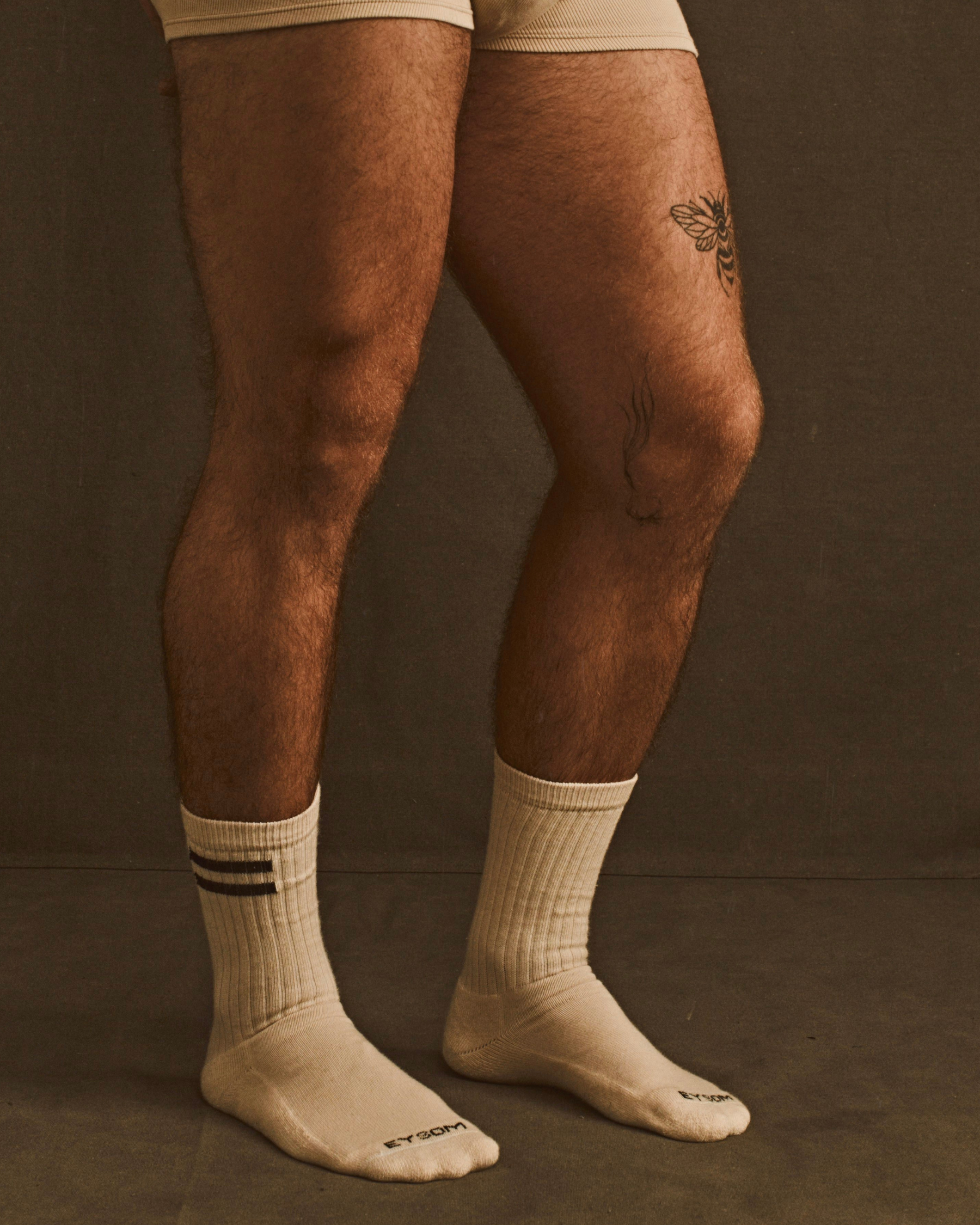
Choose with the whole garment in mind: material, construction, proportion, and the life you will wear it in.
Frequently Asked Questions
How can you identify quality cotton clothing?
Read the complete fiber content, inspect the fabric and seams, compare the measurements, and check the care instructions. Judge the weight and texture against the intended use. Touch alone cannot verify composition or predict durability.
Is heavier cotton always better?
No. A substantial jersey can suit a structured tee, while a lighter slub fabric can suit a relaxed muscle silhouette. Choose the weight, coverage, and drape you want, then evaluate the construction and fit.
Does 100% cotton always mean better quality?
No. It describes fiber content, not the quality of the finished garment. Fabric construction, finishing, workmanship, fit, and care also matter. Cotton blends may be chosen for a different feel or fit; read the exact composition for each product.
