

Last Updated: November 13, 2026
Quick Summary
Cotton-forward gym wear is a considered choice: select pieces for low-to-moderate intensity training, lifting, yoga, and recovery days, and read the fiber percentages and fabric construction before you commit. Start with one tank and one pair of shorts in a vintage wash, cut from American-grown cotton and sewn in small batches in Los Angeles, then add a second pair of shorts in a lighter or heavier weight once you know how you train in cotton.
- Cotton earns its place in strength training, yoga, and recovery days, not high-sweat classes.
- True 100 percent cotton workout clothes are rare: pure cotton has no stretch.
- A made-with-cotton claim can mean only a fraction of the fabric is cotton, so read closely.
- Wash cold, inside out, and line dry to protect shape, color, and elasticity.
- Our cotton shorts range from $88 to $148, each cut and sewn by hand in small batches in Los Angeles, earning its price through fabric and craftsmanship.
In this article
- Is Cotton Good for the Gym?
- Cotton-Forward Workout Clothes: What to Know Before You Buy
- The Best Cotton-Forward Workout Clothes for a Considered Wardrobe
- Building a Cotton-Forward Active Set That Works Together
- The Quiet Discipline of Caring for American-Grown Cotton
- Building a Considered Cotton Wardrobe
- Frequently Asked Questions
Is Cotton Good for the Gym?
Cotton-forward apparel deserves the same discernment as any considered garment, not treated as a generic substitute for synthetic and polyester activewear. For low-to-moderate intensity training, it is a quietly superior choice: cotton breathes beautifully and feels soft against the skin, the hallmark of a natural fiber grown and worked with care. What it will not do is wick moisture away the way synthetic does, and that distinction matters.
The point is to choose the right fabric for the right session, not to replace every piece in the drawer. At EYSOM, we work in American-grown cotton, cut and sewn in small batches in Los Angeles by makers who have spent years perfecting the craft. The result is a cotton-forward piece with considered proportions and honest construction, built to move from the gym to everyday life without ever looking like it tried too hard.
Activity by Activity: Where Cotton Earns Its Place
The honest answer depends on the session, not the fiber alone. Sort activities by sweat rate and airflow, the way a careful maker would, rather than by brand loyalty.
Strength training and lifting. Cotton performs with quiet confidence here.
Yoga and mat work. This is cotton's strongest territory, where softness and honest construction matter more than wicking.
Walking and recovery days. Cotton is comfortable and composed here, transitioning cleanly from a walk to a coffee without looking like gym kit.
Running and sustained cardio. This is where cotton, however well made, reaches its limits.
High-sweat studio classes. Hot yoga, spin, and interval circuits push even a beautifully made cotton piece past its comfort zone.
A note worth heeding: a thin cotton tee will show sweat and cling far more than a substantial heavyweight jersey or French terry, the kind of weight you find in a well-made piece.
The Moisture Mechanism, Plainly
Cotton is hydrophilic: the fiber attracts and holds water rather than repelling it. That is why it feels soft and breathable when dry and heavy when soaked. Synthetics generally move moisture to the surface to evaporate, which is why they dry faster. Neither is superior in the abstract; the discerning move, the one any experienced maker would recommend, is to match the fabric to the session.
Cotton-Forward Workout Clothes: What to Know Before You Buy
Cotton-forward workout clothes trade the synthetic hand of typical polyester activewear for the quiet comfort of cotton. Pure cotton has no stretch, so most cotton-forward pieces blend in a small amount of elastane for ease of movement. Read past the word natural: the fiber percentages are what matter.
Composition is the detail worth scrutinizing. A cotton blend with a touch of elastane preserves cotton's hand-feel while giving the fabric the recovery it needs to hold its shape.
Reading Fabric Composition
Start with the percentage breakdown of cotton to elastane, then consider the fabric's weight and hand. A heavier cotton jersey holds its shape with age, in a way the thinner blends of typical polyester activewear simply cannot.
A note of caution: a "cotton-forward" claim can mean as little as a fraction of the fabric is cotton. The percentage breakdown is the only thing that gives you certainty.
For a closer look at how weight and texture shape a garment's feel, explore EYSOM's cotton collection, cut from American-grown cotton and made in small batches in Los Angeles by makers who have worked this fabric for years. You can also see the 14 oz American-grown cotton heavy jersey construction before you commit.
The Best Cotton-Forward Workout Clothes for a Considered Wardrobe
The best cotton-forward workout clothes are cut for real movement and built to outlast far more than a season of washing. Look for substantial fabric, considered proportions, and a fit that flatters a lean frame rather than swallowing it, the hallmarks of pieces made in small batches by makers who take the time to get the cut right.
Market interest is real. Fortune Business Insights' sustainable athleisure forecast projects the global sustainable athleisure market growing from $114.64 billion in 2026 to $298.00 billion by 2034. That growth brings plenty of claims, so judge each piece on its construction and fit, not its marketing.
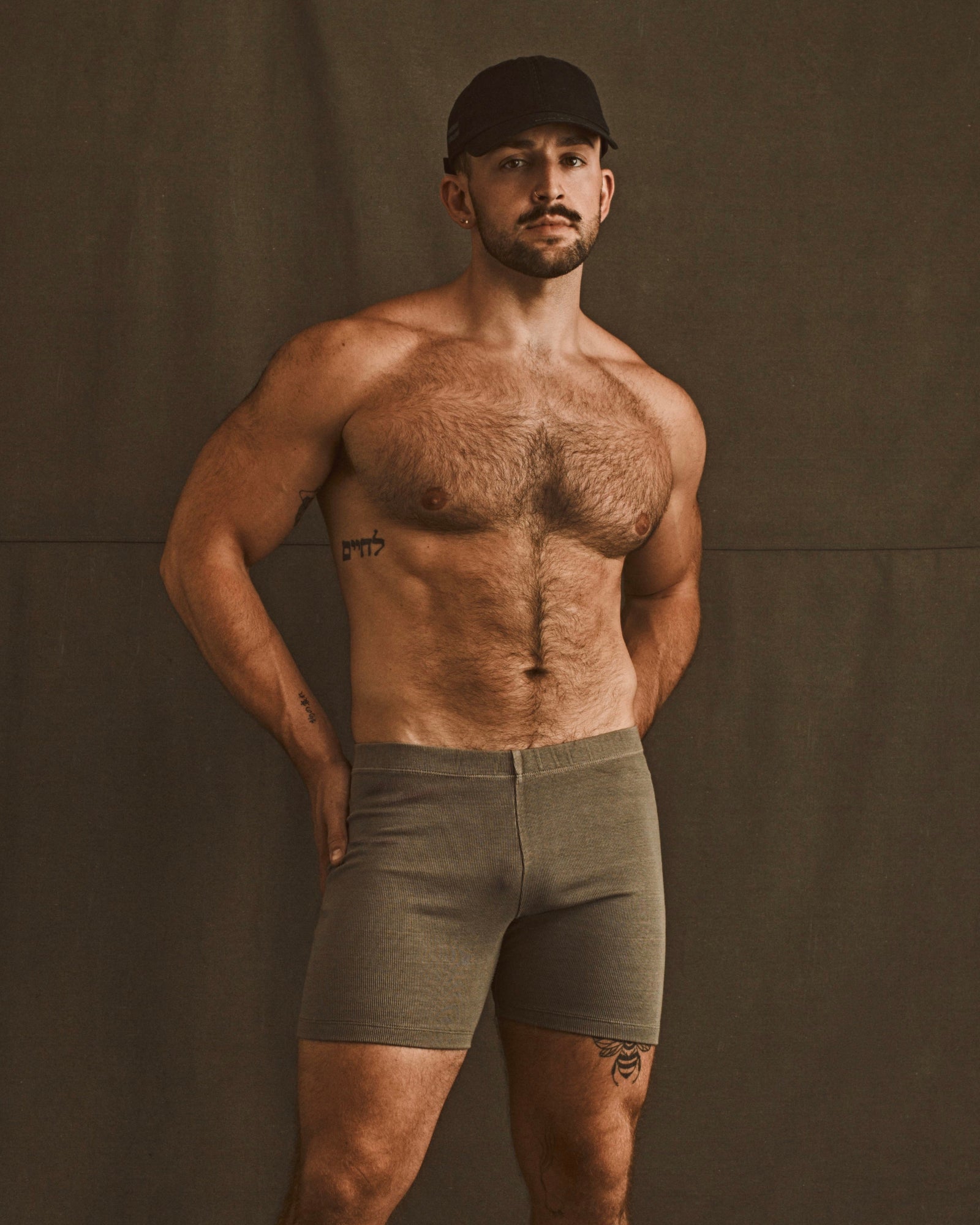
EYSOM olive cotton rib bike shorts
Shorts, Tanks, and Tees That Earn Their Place
Our cotton shorts range from $88 to $148, each cut and sewn in small batches in Los Angeles from American-grown cotton, and each earns its price through fabric and construction.
Piece |
Price |
Best For |
Fabric Note |
|---|---|---|---|
Cotton Rib Bike Short 6.5" |
$88 |
Fitted sets, layering |
Rib stretch, raw hem |
Cotton Rib Tank |
$88 |
Lifting, everyday |
Close cut, room to move |
Heavy Cotton Short 4" |
$118 |
Everyday wear |
Substantial cotton, softens with wear |
French Terry Short 5" |
$148 |
Recovery days, lounging |
Dense terry, soft looped interior |
The Cotton Rib Tank, cut and sewn by hand in small runs in Los Angeles, sits close through the torso with a quiet stretch that gives you room to move, its shorter length finishing cleanly over shorts. Pair it with the Cotton Rib Bike Short for a considered, fitted set, or let a boxy tee soften the line.
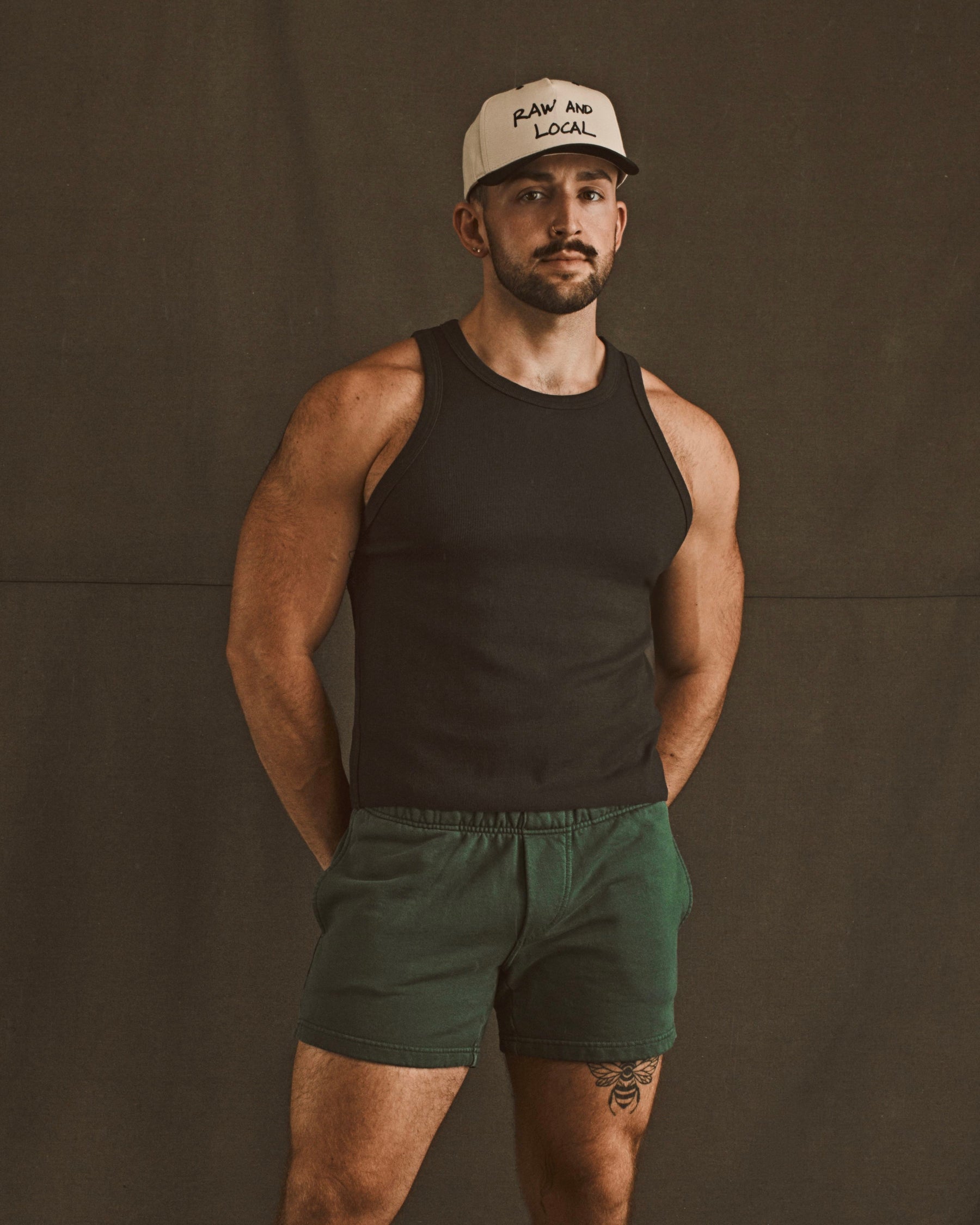
For something with more presence, the Heavy Cotton Short 4", woven from substantial American-grown cotton, holds its shape and softens with wear, while the French Terry Short 5" brings a dense, considered feel with subtle side vents, each pair made in small batches by the same Los Angeles hands. Browse the full cotton shorts collection or find your next favorite top.
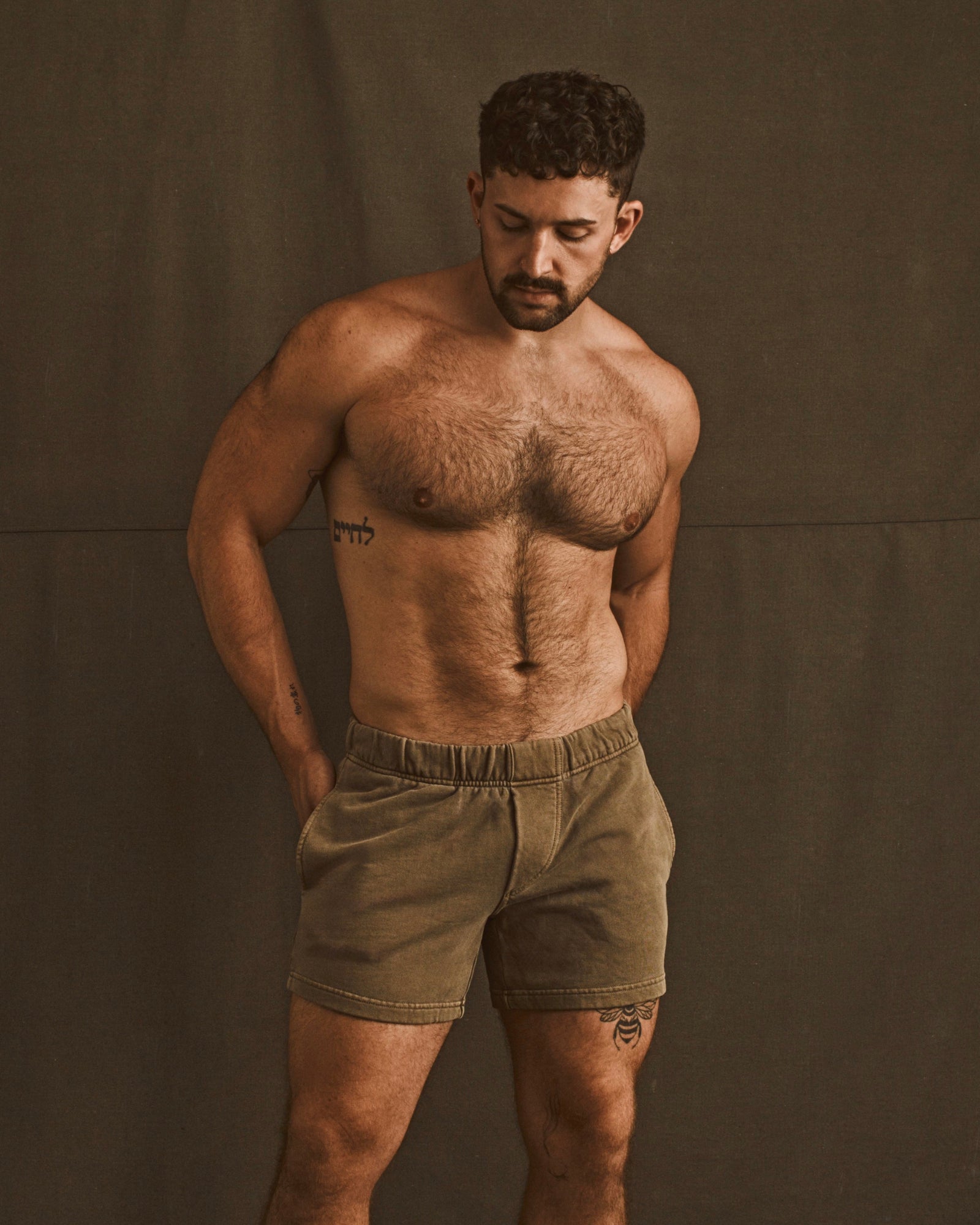
French Terry Short — 5"
Building a Cotton-Forward Active Set That Works Together
A considered, cotton-forward set starts with one honest base and builds outward. Choose a tank or tee, match it with shorts in the same weight family, then layer a bike short beneath for coverage and a flash of rib at the hem.
Keep the palette restrained so pieces interchange with ease. A washed black tank sits naturally with olive, khaki, or espresso shorts: fewer decisions, more wear.
Shop the look to see complete, considered sets styled together rather than guessing at combinations.
The Quiet Discipline of Caring for American-Grown Cotton
Care determines how cotton holds its color and shape over years of wear, though no washing routine can rescue a poorly made garment. Our pieces start as American-grown cotton, cut and finished in small batches in Los Angeles by makers who have done this work for decades. Understand what that craftsmanship is built to do, then wash in a way that honors it.
What Construction Reveals About Longevity
Before you care for it, consider how the piece is made. These are the details that separate a garment built to be worn for a decade from one that pills by the third wash, the same details our Los Angeles makers look for in every small batch.
Knit structure. A dense jersey or French terry holds its shape and opacity far better than a loose, open knit, the kind of quality that comes with producing in small runs rather than mass volume.
Stretch recovery. Most cotton-forward activewear, including pieces made from American-grown cotton, blends a small amount of elastane for movement.
Opacity. Thin cotton in a light color can become translucent when stretched. A substantial fabric weight and a tight knit, the standard for small-batch construction, keep a short or tank opaque through movement.
Pilling. Short-staple cotton pills more than long-staple, which is another reason sourcing honest, American-grown cotton matters as much as the sewing.
Seam construction. Flatlock and reinforced seams distribute stress across the garment rather than concentrating it at a single stitch line, the kind of detail long-time makers do not skip.
Washing, Drying, and Storing a Garment Worth Keeping
- Wash cold, inside out, on a gentle cycle with a mild detergent.
- Turn garments inside out to protect the surface from abrasion and fading.
- Air-dry flat or line-dry, away from direct sunlight.
- Avoid fabric softener, which coats the fibers and dulls the breathability built into every small batch.
- Skip the dryer heat that breaks down fibers, fatigues elastane, and fades dye.
- Store folded rather than on a narrow hanger, which can stretch a knit shoulder over time.
Watch out: hot water and tumble drying are the two fastest ways to shrink cotton and dull its color. A cold wash and line-drying will do more for the life of an American-grown cotton garment than any specialty detergent.
What Considered Care Changes
Shrinkage is the most visible change. Cotton relaxes under heat, particularly through the first few washes, and cold water with air drying keeps a garment close to the dimensions it was cut for. Elasticity is the quieter casualty: sustained heat fatigues elastane over time, so a short that sits close in month one can feel looser by month twelve after a year of weekly hot drying.
Treat cotton with care, and it rewards the effort. Softness deepens with wear, and a substantial, well-woven fabric holds its structure far longer than a thin synthetic blend ever will. For a piece cut and sewn with intention, proper care does not simply maintain it. It extends its life.
Building a Considered Cotton Wardrobe
Start with the basics: one tank, one short, both in a neutral tone, then add a second short in a different weight once you understand how you train in cotton. That small, considered test will tell you more than any guide could.
The sustainable athleisure market is expanding quickly, and research on willingness to pay for eco-friendly clothing suggests shoppers will pay more when the value is evident. Let that value speak through construction and longevity, not through a label stitched in for appearances.
The real challenge is finding cotton pieces cut for a lean frame that look as considered after a session as before it. EYSOM builds exactly that: honest essentials in American-grown cotton, cut and sewn in small batches in Los Angeles since 2015 by makers who have worked this craft for years, in considered proportions and minimalist neutral tones designed to live together.
Frequently Asked Questions
Is cotton-forward apparel good for the gym?
It depends on the workout. Well-made cotton-forward fabric breathes beautifully and sits gently against sensitive skin, which makes it a considered choice for lifting, yoga, and low-impact training. For high-sweat sessions, cotton absorbs moisture rather than wicking it away, so it can feel heavier than a synthetic. Look to cotton-rich blends with a touch of stretch, such as 92 percent cotton with 8 percent spandex, which balance breathability with ease of movement.
Where can I find cotton-forward workout clothes instead of synthetics?
True 100 percent cotton workout clothes are rare, since most activewear needs some stretch for movement. Many cotton-forward pieces rely on cotton-rich blends instead. When shopping, read the fabric composition label rather than the marketing copy, and look for a high cotton percentage over a synthetic-heavy blend. EYSOM's cotton-forward pieces are cut and sewn in small batches in Los Angeles, built with the kind of care that moves from the gym to everyday life, as a considered alternative to traditional synthetic and polyester activewear.
How does cotton-forward apparel compare with synthetic workout clothes?
Synthetics like polyester wick sweat quickly and hide sweat marks well, but they can trap odor and feel less breathable against sensitive skin. Cotton-forward fabric is, by nature, soft and breathable. The trade-off is visible moisture: cotton absorbs sweat rather than repelling it. For low-impact training and everyday wear, cotton offers a comfort and longevity that synthetics often cannot match.
What should I look for when buying cotton-forward gym wear?
Start with fabric composition. Check the cotton content and any stretch blend, then look closely at construction details such as seam placement and fabric weight, which determine durability and how well a piece holds its shape over time. Finally, consider the fit for your build and how the piece transitions beyond the gym, since the most considered cotton-forward pieces are designed to work in both settings.
